
Emeritus Faculty News
S. Hollis Clayson
Professor Emerita of Art History and Bergen Evans Professor Emerita in the Humanities

Holly Clayson’s academic year had several highlights. She keynoted the symposium, “Plugged In: Art and Electric Light,” sponsored by the California Institute of Technology and the Norton Simon Museum in Pasadena in October. A November trip to Paris delivered her to the Musée d’Orsay to serve as an advisor to the creators of the new Daniel Marchesseau Center of Resources and Research. She gave a seminar in the museum during her stay and has been invited to publish in the inaugural issue of the Center’s scientific review, 48-14. La Revue du musée d'Orsay. She chaired a well-attended session at the College Art Association Annual Conference 2025 in New York, “On Other Media in 19th-century French Art.” In early April she lectured on her Eiffel Tower project in the “Visual Culture Colloquium” at Bryn Mawr College. Four Chicago-based events in April and May rounded out the academic year: she served as a session moderator in “The First Homosexuals Symposium” at Wrightwood 659; responded to a paper in the Eighteenth-century Seminar at the Newberry Library; and delivered a lecture (virtually) in the University of Montreal series, “Revisiting Impressionism: 150 years later.” And what was the fourth item? The contract for her new book was signed on May 14th with the University of Chicago Press. But wait: the biggest event of the year was her return to the Northwestern classroom in Winter quarter. She taught a 300-level course on Impressionism to forty extraordinarily smart and engaged undergrads. A real pleasure. One last thing: two local art exhibitions showed her intaglio prints— in November at Central Station Coffee in Wilmette, and in January at the Evanston Art Center.
Robert Linrothe
Professor Emeritus
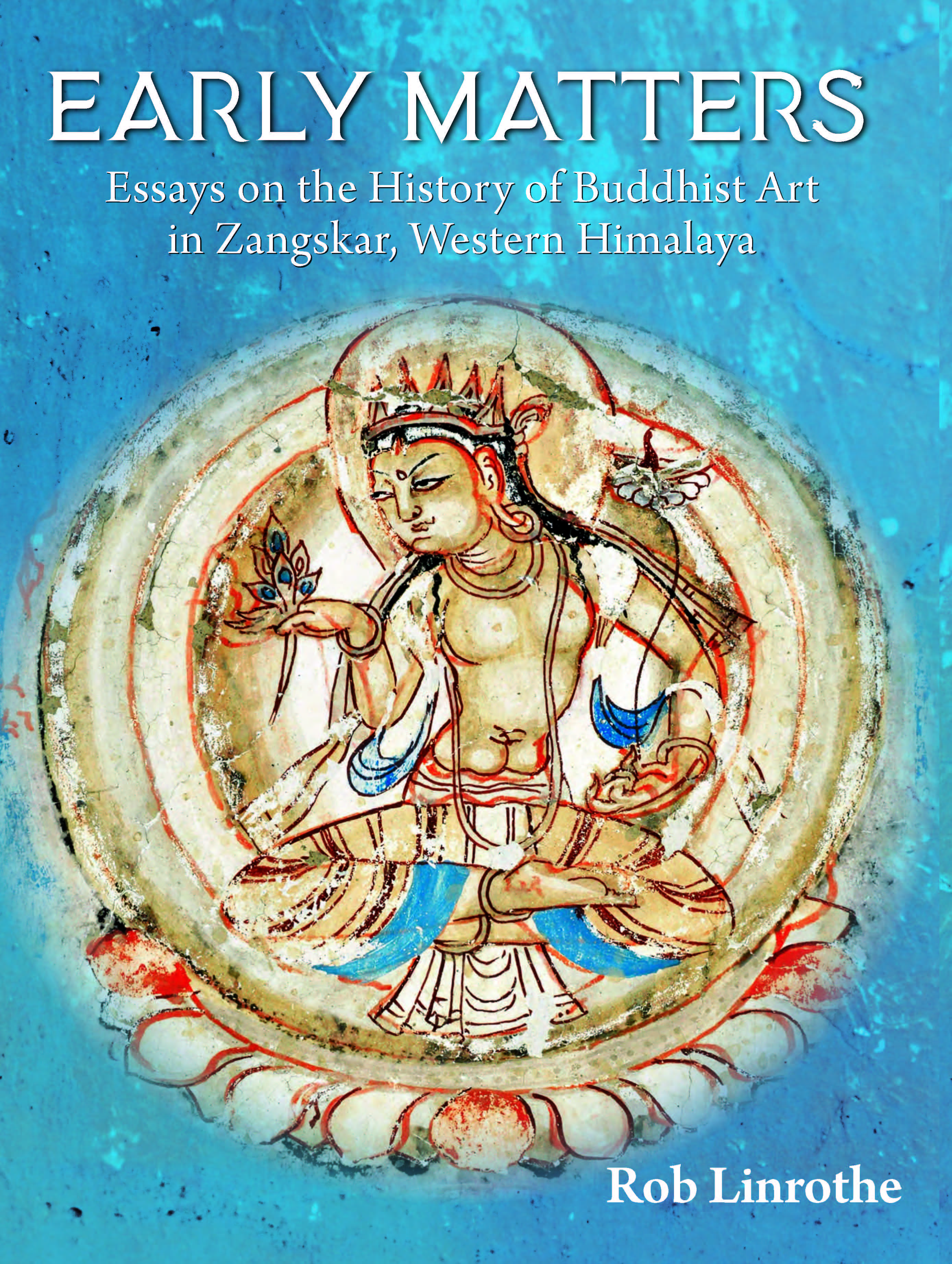
Linrothe continued to maintain a balance between research and writing in his retirement carrell at the University Library and carrying out art historical fieldwork projects in the western Himalaya and eastern India. In the summer of 2024, Linrothe trekked (for the umpteenth time) in the mountains of Zangskar with baggage horses to carry gear and supplies. With a guide and horse-wrangler they trekked over high passes (17,000 feet) and glaciers in order to visit remote Buddhist monasteries. Also there, Linrothe documented the ca. fifteenth to eighteenth century holdings of a village shrine, and de- and re-consecration rituals performed by monks before and after the remounting process he sponsored. In February and March 2025, Linrothe traveled to museums and shrines in Nepal and Bihar, India, to study and photograph pre-thirteenth century stone sculpture—Buddhist, Hindu, and Jaina. He was able to collaborate with several Indian art and archaeology graduate students, professors, and officials overseeing cultural properties. In the fall of 2024 Linrothe’s latest book was released: Early Matters: Essays on the History of Buddhist Art in Zangskar, Western Himalaya. Supported in important ways by the Department of Art History, Northwestern University, and the Warnock Publication Fund, it is the result of nearly thirty years of study in the region. With 585 illustrations—nearly all his photographs, with many details—it represents an expansive documentation of a rich cultural heritage currently threatened by climate change and the lack of protection for objects traditionally displayed in open view.
David Van Zanten
Professor Emeritus
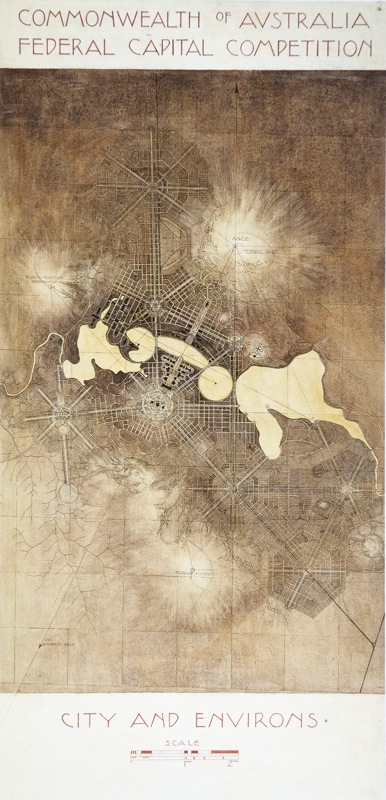
Retired now, quietly on Grove Street south of the campus, near the water. Inch-by-inch getting used to the phone not ringing and the email not coming at you day and night. Some final pieces are appearing but electronically, and on exotic sites but, in our electronic world, is anything "exotic" now? You just push a button and the jungle parts and you're "there" among eagar graduate students staring back at you. But what was once (in my case meaning during five or six decades...) so laboriously produced now just "pops" into "print." (Well, "pop", yes; but "print" only if someone bothers to push that famous button.) My only observation so far: having taught the history-of-modern-architecture in 9 or 10 weeks since rather soon after I was born, the calm architectural-historical reflections of retirement have been compressing it all into a course of about an hour-and-a-half that asks what (really) was the difference between "historicism" and Bauhaus "mechanics" and what has been happening since that finally simply blew away c. 1970? I don't have an answer still, but am suspicious. I still love Evanston's contribution to this, the plan of the city of Canberra, Australia, drawn right here in Evanston by Marion and Walter Burley Griffin in 1910, and built (by god) and there to be walked around today if you can survive the flight and make the plane changes at San Franciso and Melbourne.
My very best to everyone!